
Rest in Peace, Frank Soos
“From this distance, we take the measure of the stars’ sharp edges, feel the cuts of their cold light,” Frank wrote in a tiny essay from Double Moon, a collaboration with Margo. “But up among them, what would we find? Loud bags of gas, light not so much around us but within us. And nothing. Lots more nothing than we are able to account for. Does this scare you? Not me. It is from this nothing that the stuff of our lives must be made.”
One year later, ten years past
It all begins with an idea.
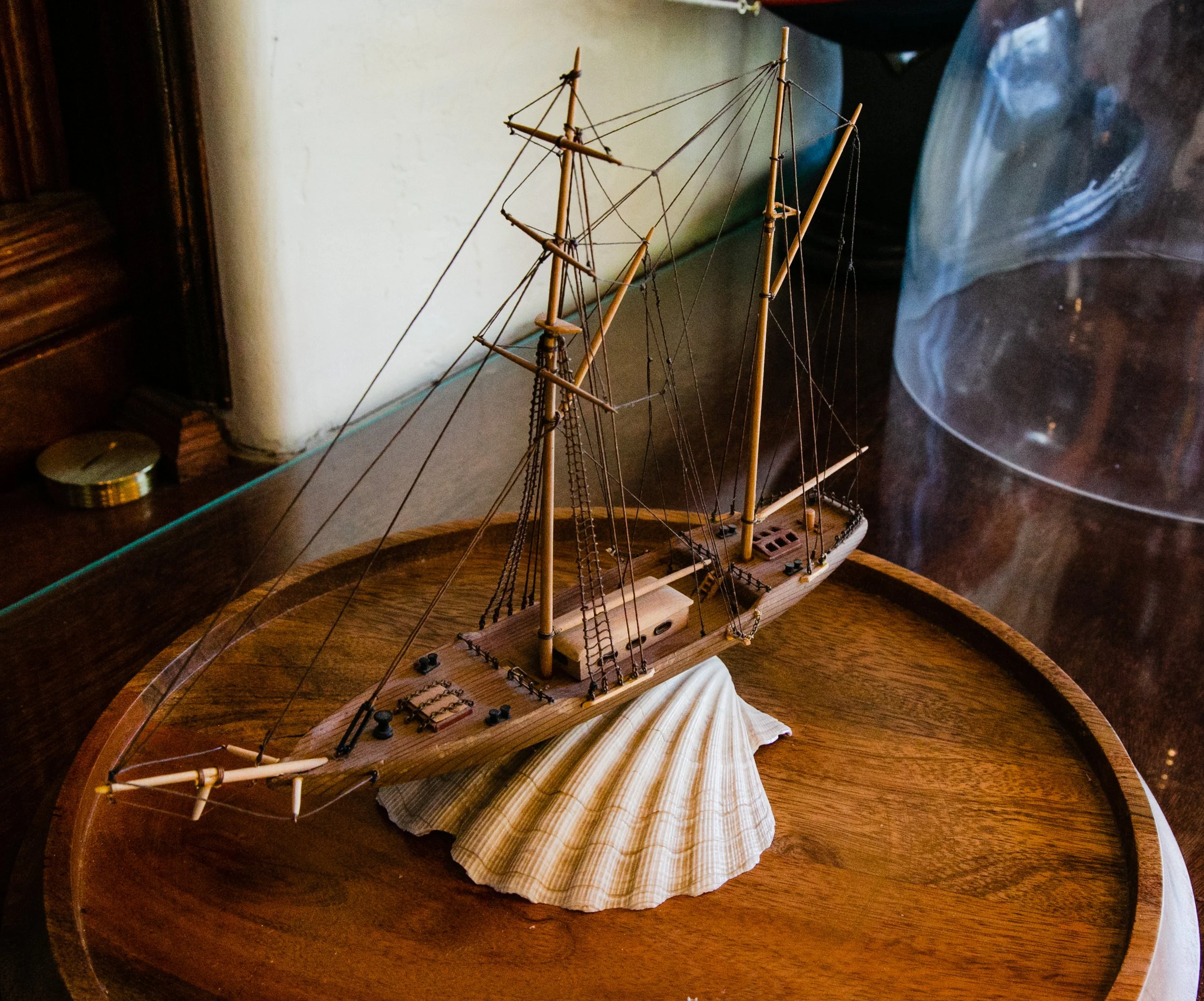
Bodies of Water
Dad used his hands to make things. Music stands and desks, adze and axe handles, balconies and cabinets, bread boxes and bird houses, a laddered library, frames for Bobbi's stained glass, a dollhouse, a sauna, a dock. Used his hands to make sonatas and concertos on a piano. Made me a wildflower press for high school Biology. Built stone walls of rocks we took from a scree slope in the mountains to terrace a garden. Made a long staircase with my grandpa, his dad, down to the lake. Spent a summer erecting a tall fence to thwart deer. And a thousand other things. I was two weeks old the first time he took me sailing. I grew up trying to absorb all the knowledge he could pass on. He taught me to read wind on water, telltales sewn into jibs, the signals transmitted through a tiller into fingertips. Especially when the moon was full, we’d sail at night on Coeur d’Alene Lake. The first time we went over to the coast and spent a couple weeks on the ocean, alive with tides, I gained a completely different take on the moon I thought I knew. I went back to landlocked Idaho with a changed understanding of lakes, too, no matter how long, deep, or windy they might be. The world was bigger than I thought, but reachable.
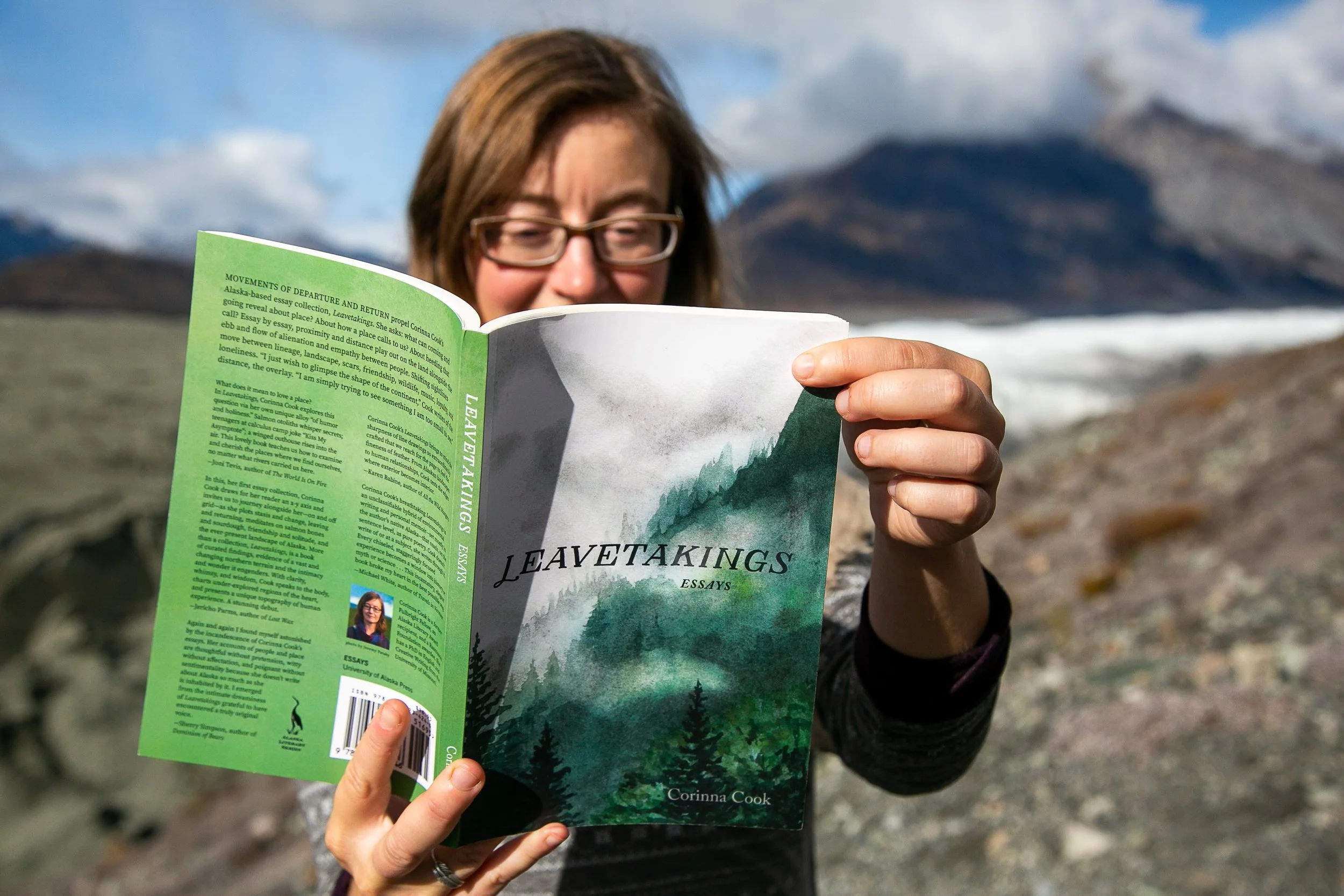
Leavetakings: A debut book of lyric essays from Corinna Cook
Corinna Cook was born and raised in Juneau, “a rainy and proud and complicated town that wears no asphalt leash,” as she puts it in her debut book of lyric essays, Leavetakings. Just published by University of Alaska Press in the Alaska Literary Series, it’s a gorgeous, short collection of nine finely-tuned essays that care deeply about place, the more-than-human world, and the delicacies of being an individual among others “roused into liveliness and pierced by loss.”
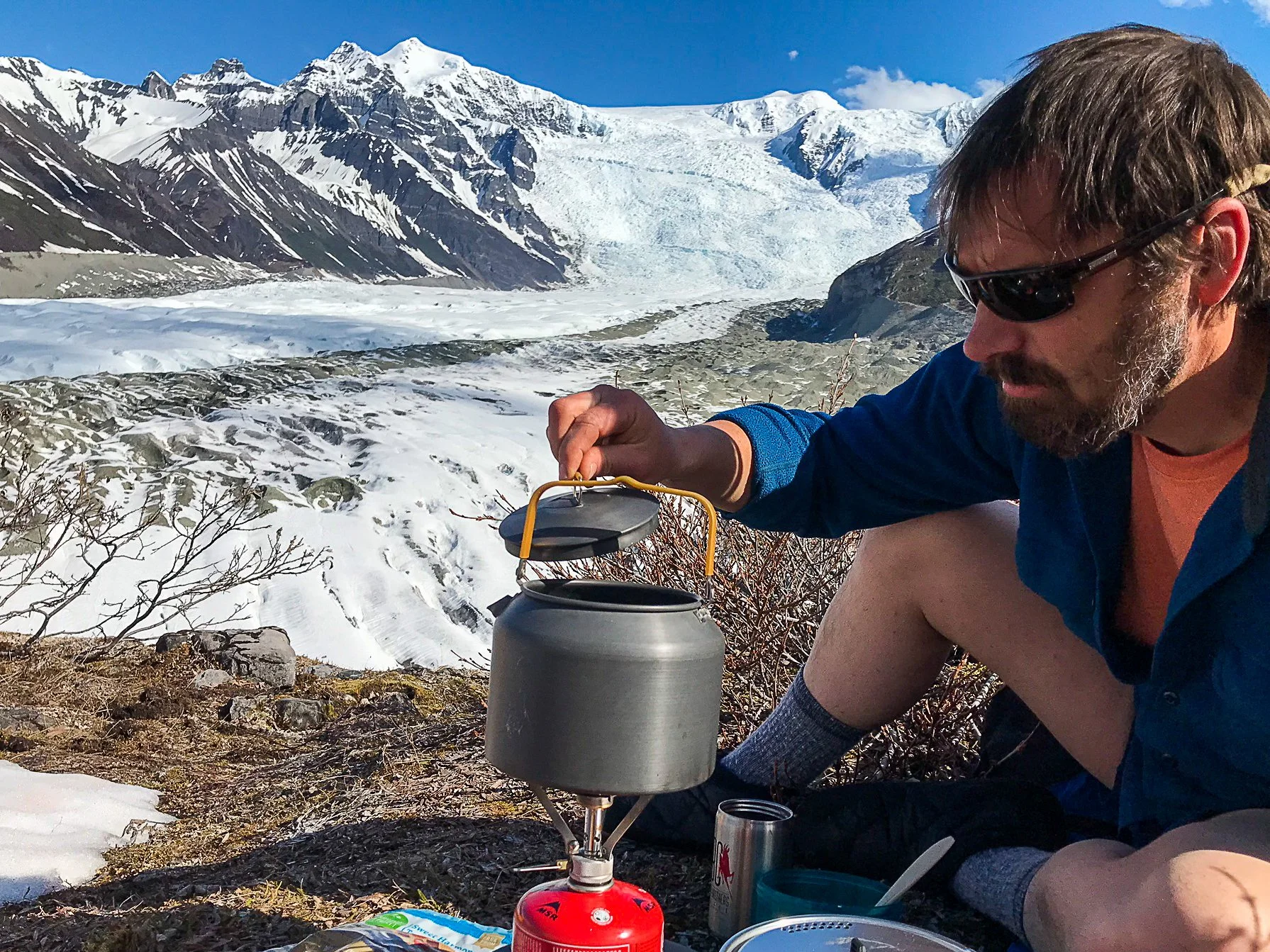
The Warbler's Answer
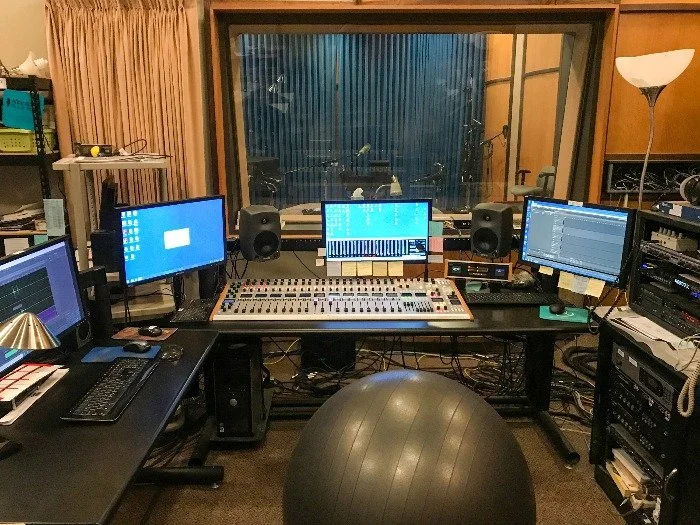
Montana Public Radio · The Write Question
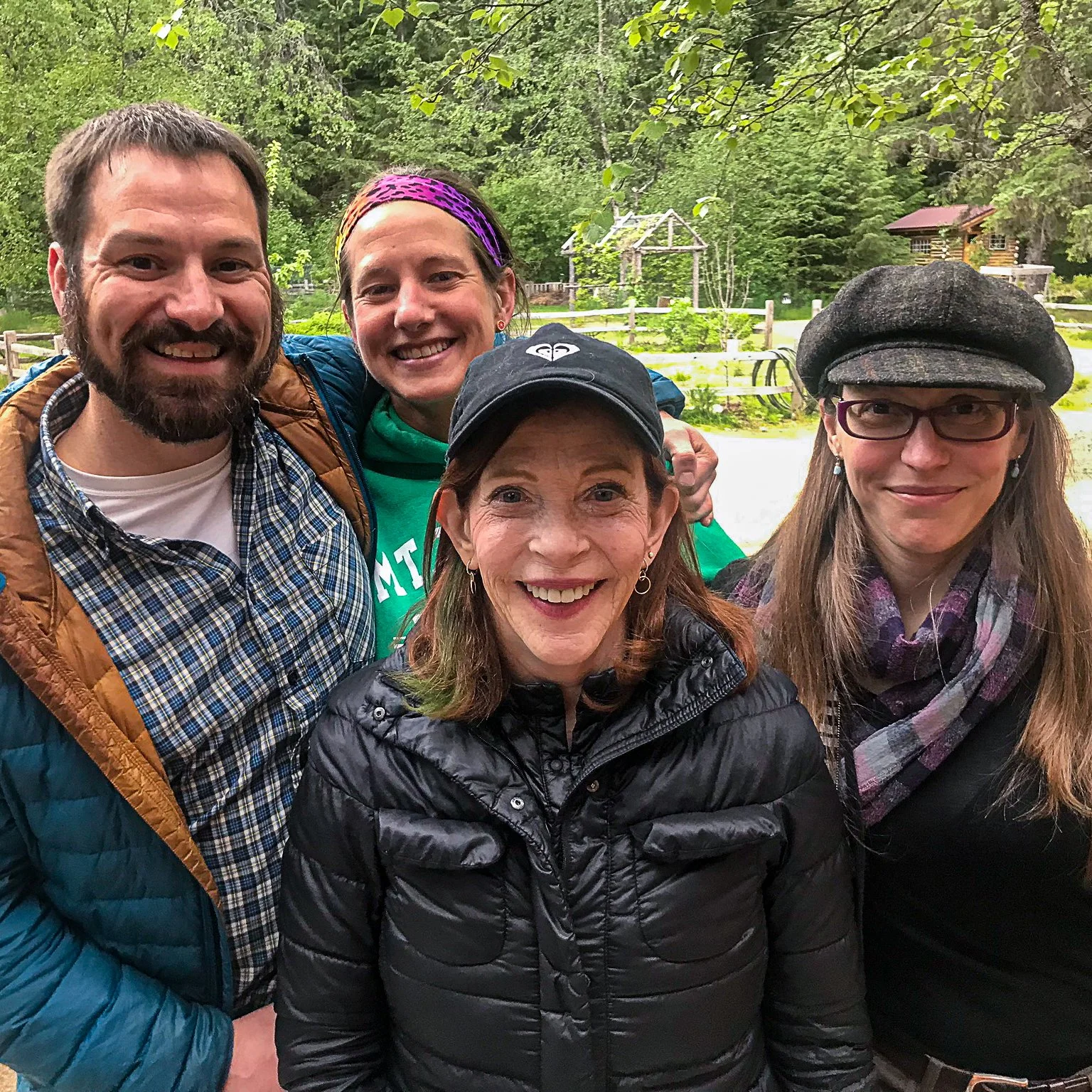
Have Poems, Will Travel ~ 1600 Mile Loop
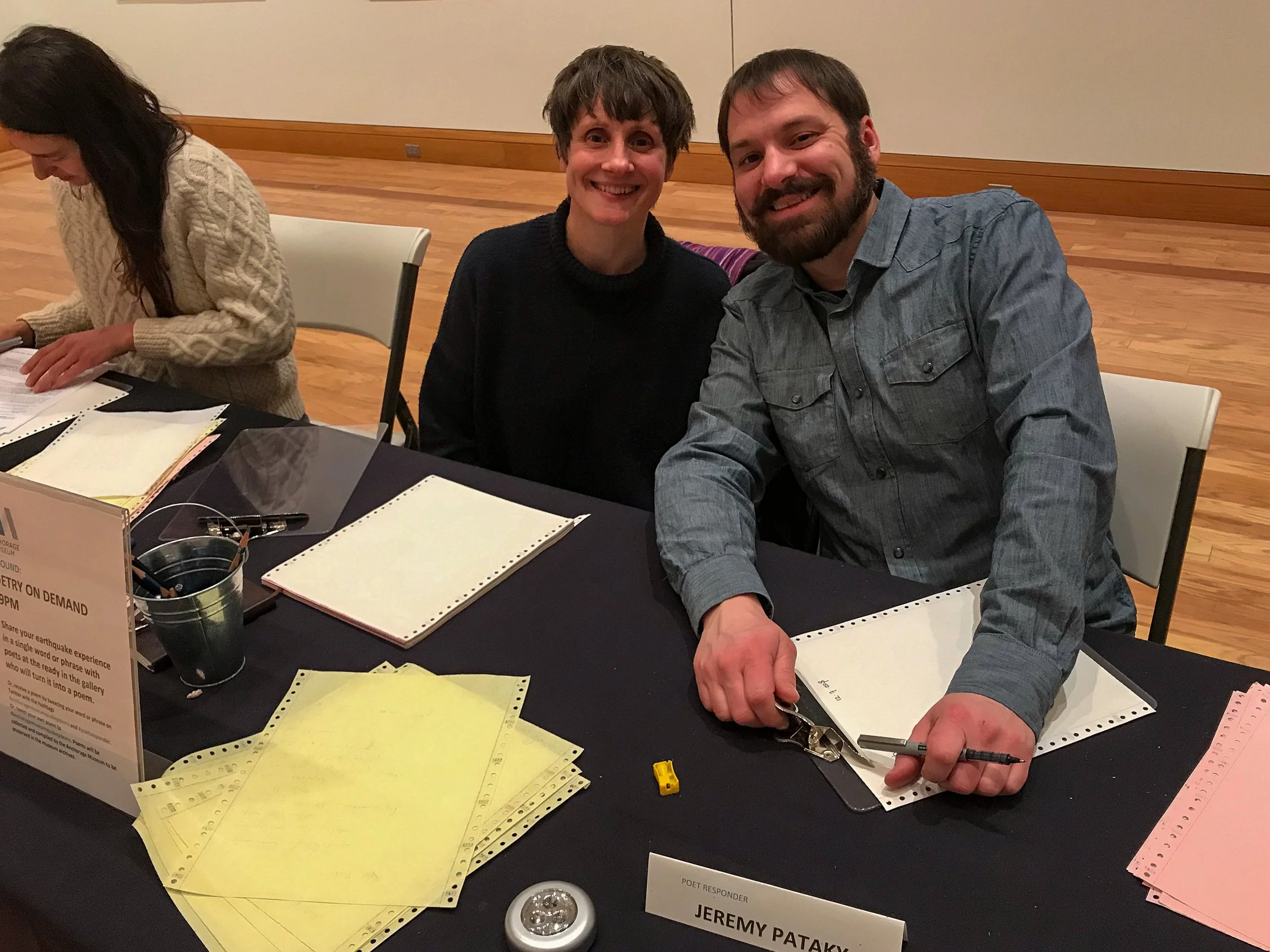
Earthquake and Quake Poems on Demand
Carrie Ayaġaduk Ojanen Launch at Hugo House
Inland Poetry Prowl
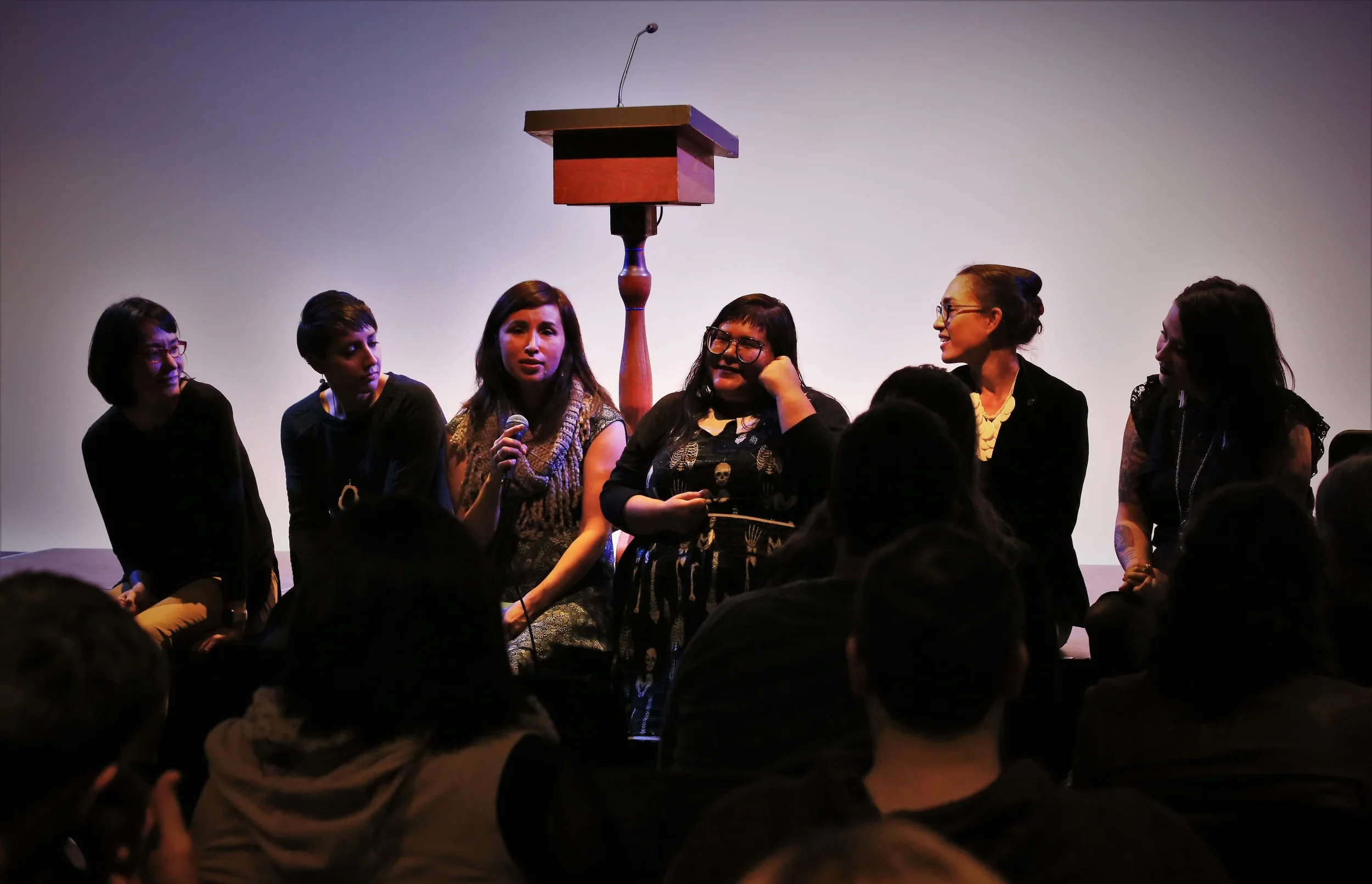
Yeah Write · Ten Years of the Northern Renaissance Reading Series
Yeah Write · History on Paper and in Person
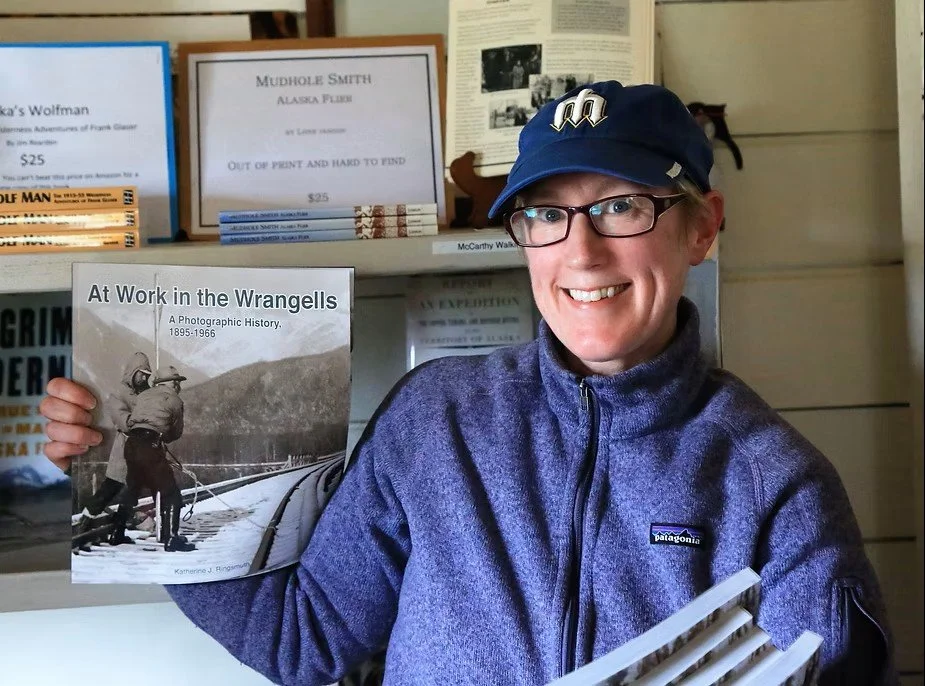
For years before Anchorage was founded, maps of Alaska showed McCarthy and Kennecott, but not Anchorage. While Anchorage eventually grew and grew into Alaska’s largest city, McCarthy’s size has ebbed and flowed. It hasn’t regained the size it had during the copper and gold mining era, but can still produce some impressive crowds, like the one that packed the charming, volunteer-run McCarthy-Kennicott Historical Museum for its grand opening this spring. The event featured Eagle River-based historian, professor, and author Dr. Katie Ringsmuth presenting her latest book, “At Work in the Wrangells: A Photographic History, 1895-1966”. Published by the National Park Service, it “aims to illustrate the interconnected work of humans and nature that together made history in Wrangell-St. Elias National Park and Preserve.”
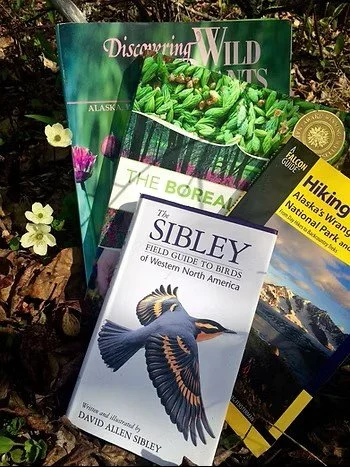
Yeah Write · Mind Your Anemones and Anenomes
Yeah Write · Poetry Like Bread
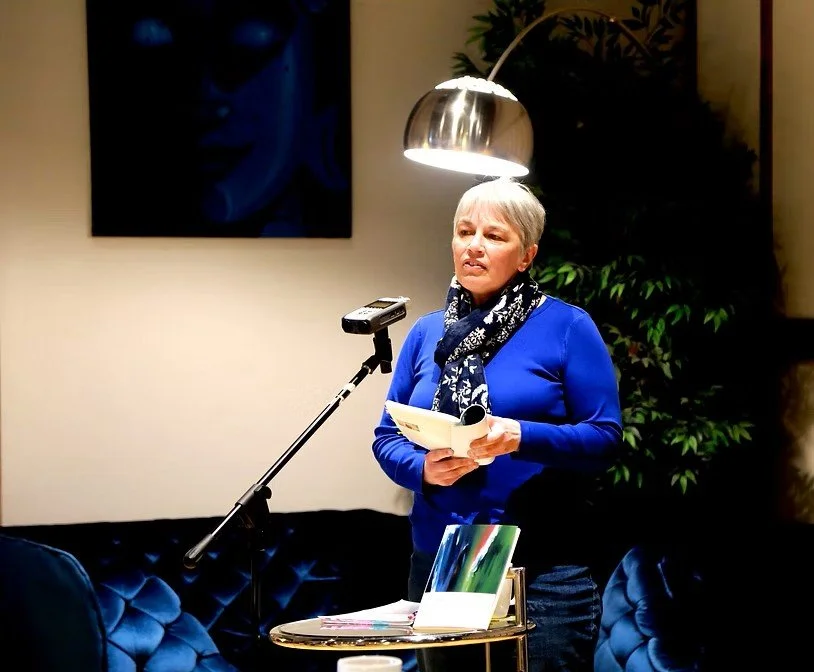
Some pleasant déjà vu struck last Thursday, listening to Palmer-based Julie Hungiville LeMay read poems at Indigo Tea Lounge in Anchorage. I saw her read last month in Juneau, too. Her debut book of poetry, The Echo of Ice Letting Go, was published this year by University of Alaska Press in the Alaska Literary Series. Her Anchorage event closed out 49 Writers’ Reading and Craft Talk Series for the season. Poems, like songs, are meant to be heard (or read) more than once, and it was great to hear her again, and to hear her elaborate on the process of writing it.
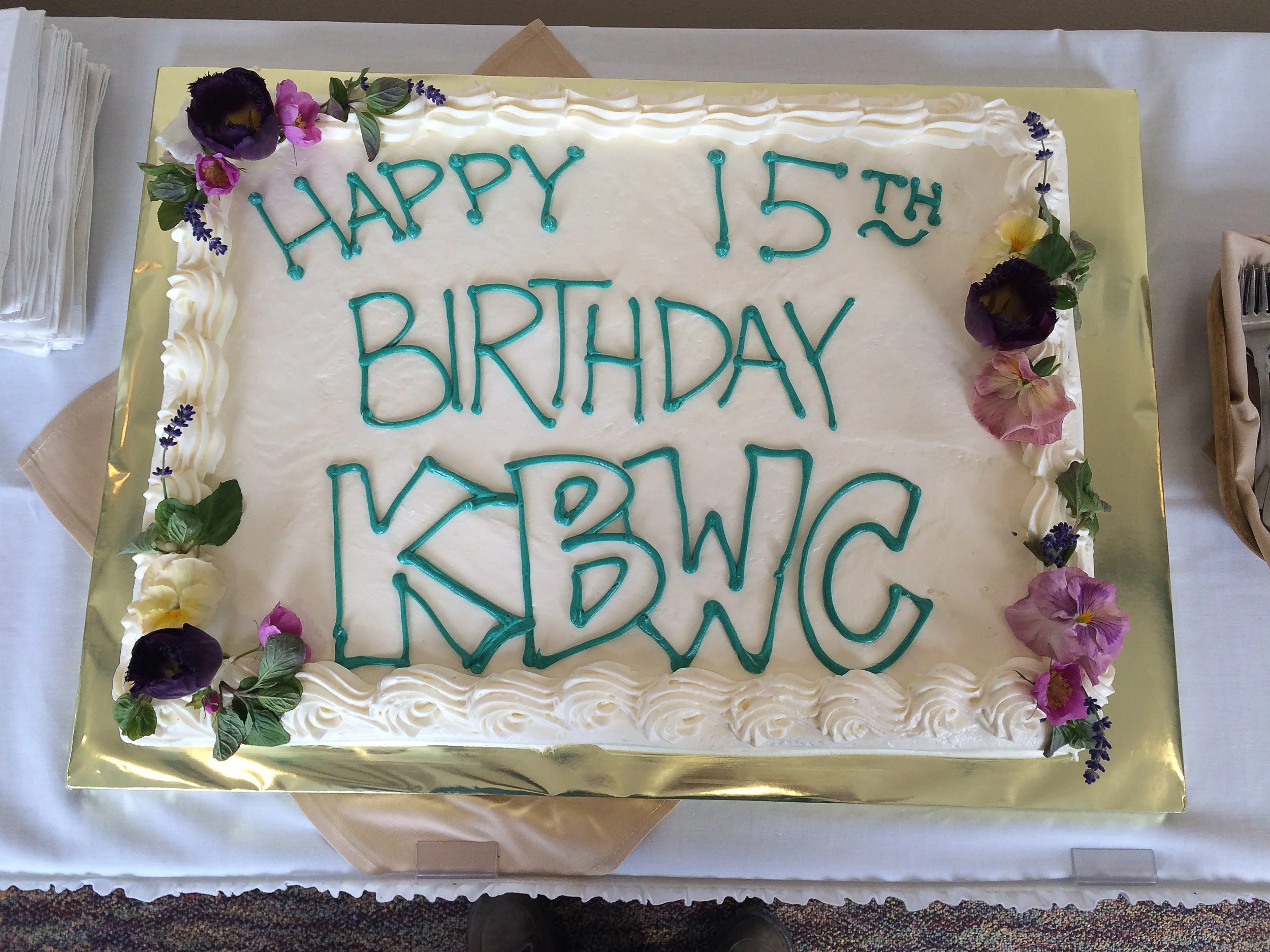
Kachemak Bay Writers’ Conference notes, 2016
Our Creative Community
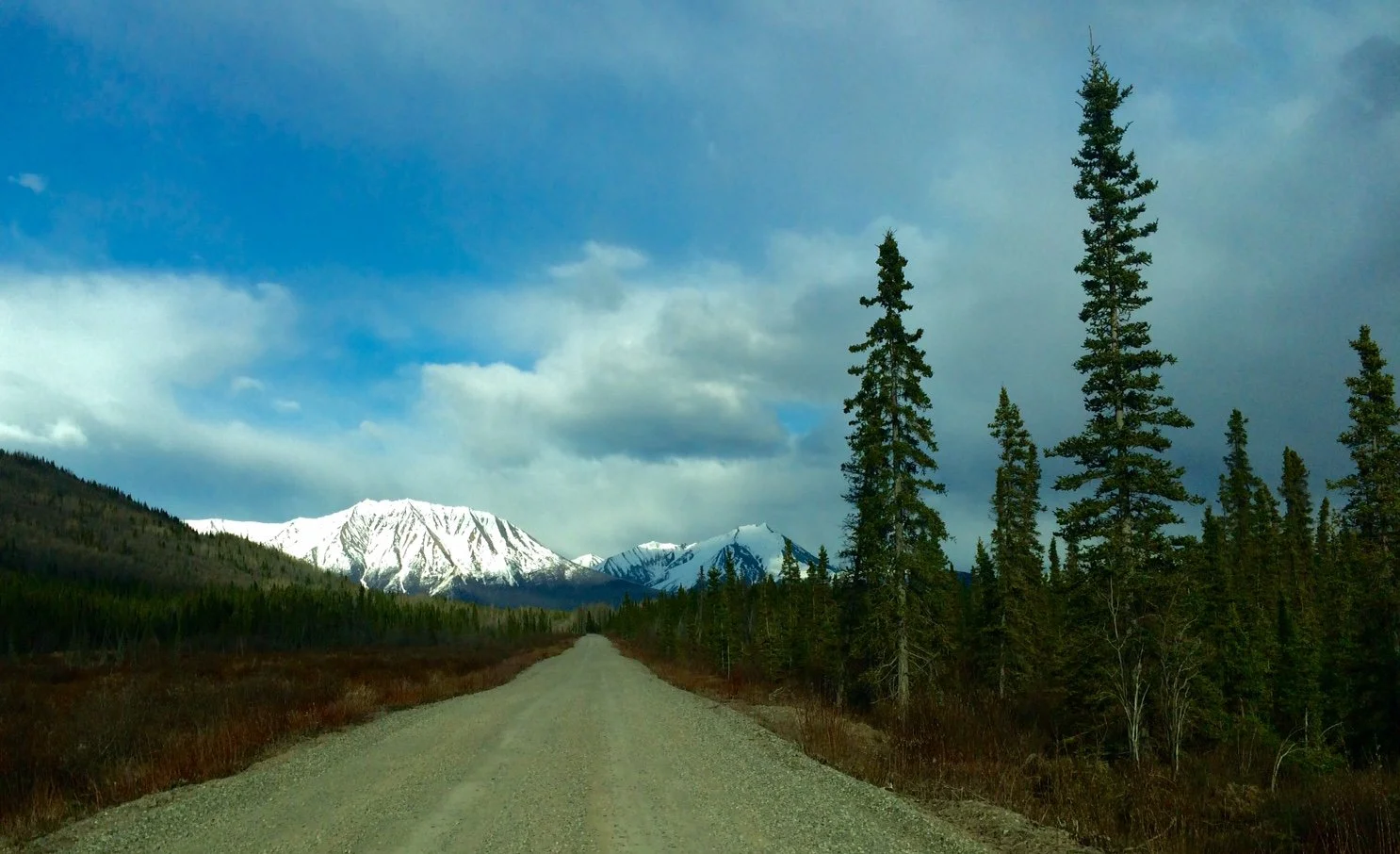
“I learn by going where I have to go…”
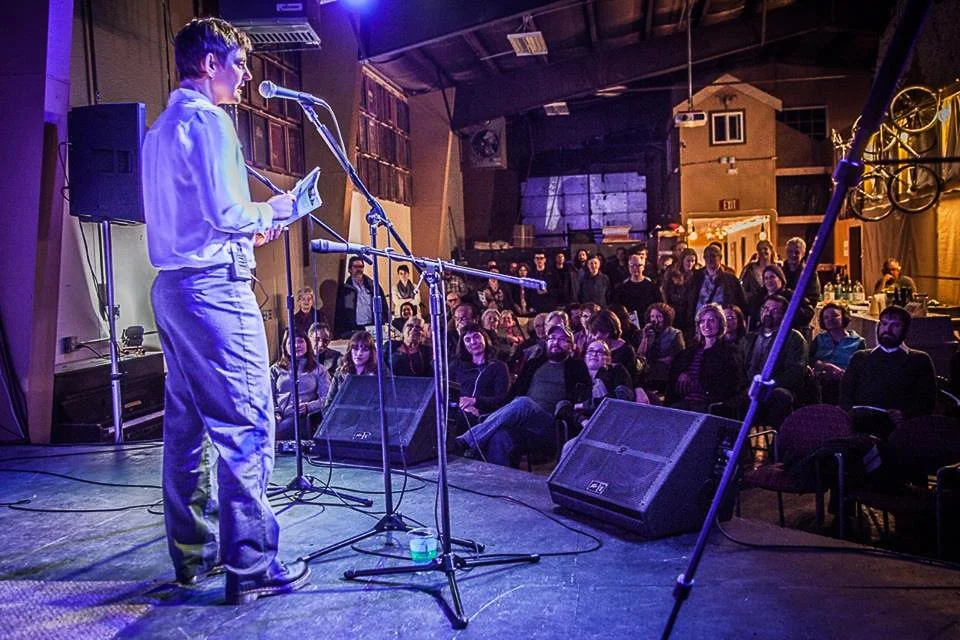
Susanna Mishler launch
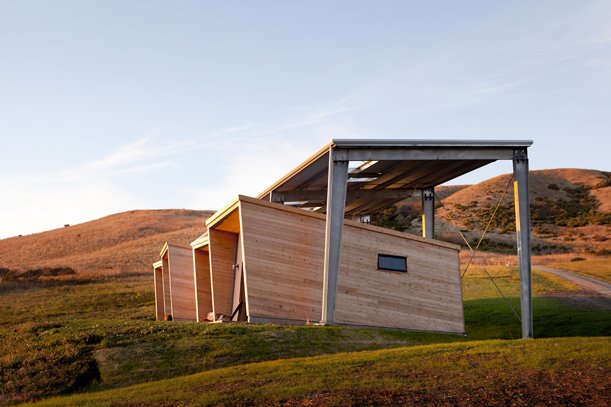
Rasmuson Foundation Artist Residency Program includes a niche for poets and writers
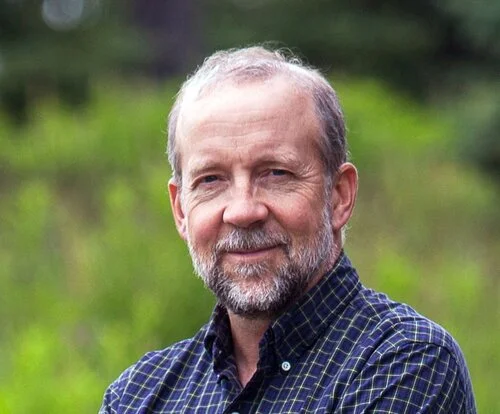
Interview: Tom Kizzia
“This was a book that started with a bulldozer in a national park. In that sense, the original newspaper stories naturally introduced some of those big themes you refer to, themes of wilderness and modern attitudes toward nature and the mythology of American pioneering. It was only after I interviewed Papa Pilgrim over the phone, and found his self-presentation to be weirdly fascinating, that I decided I should try to go meet him.”