
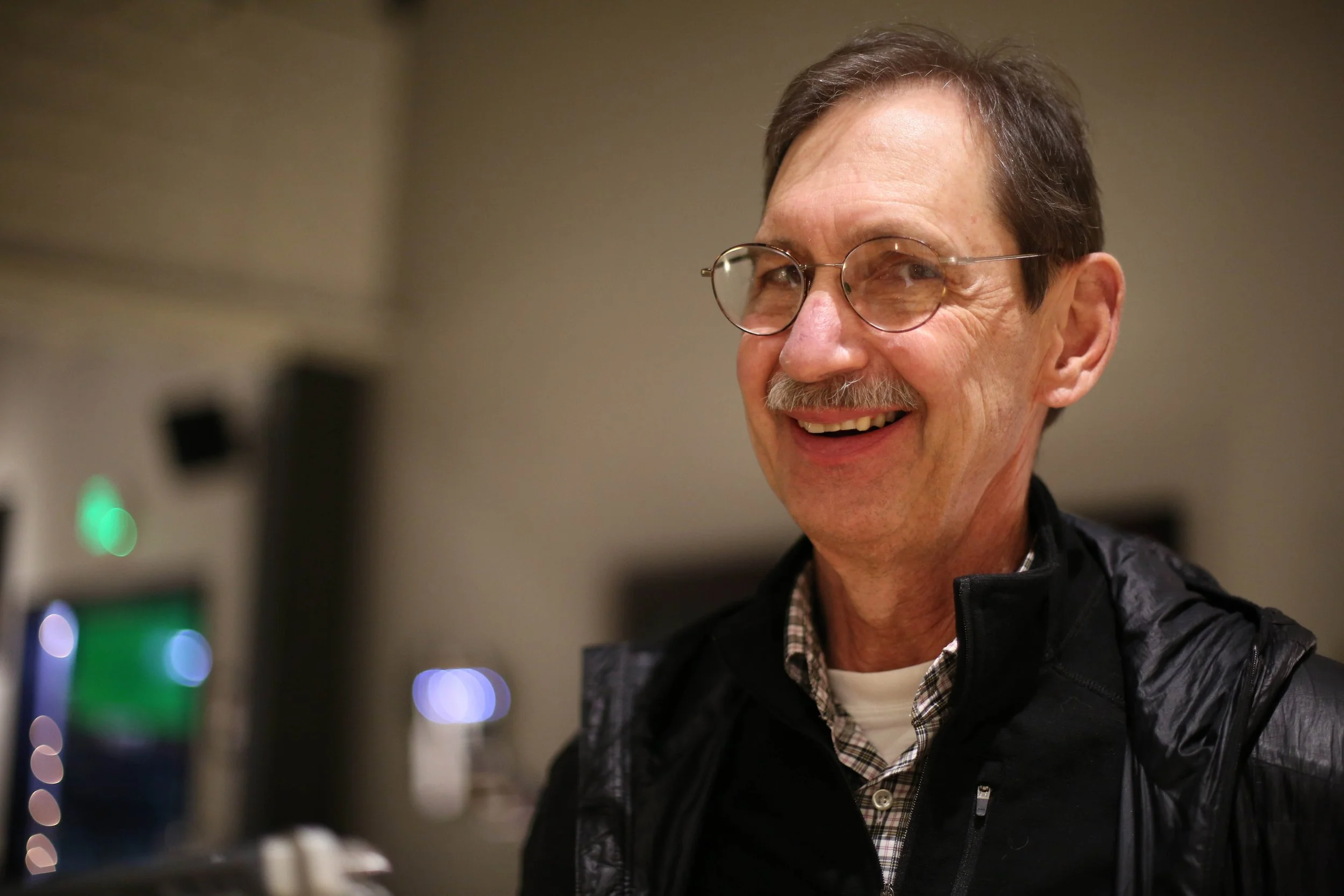
Rest in Peace, Frank Soos
“From this distance, we take the measure of the stars’ sharp edges, feel the cuts of their cold light,” Frank wrote in a tiny essay from Double Moon, a collaboration with Margo. “But up among them, what would we find? Loud bags of gas, light not so much around us but within us. And nothing. Lots more nothing than we are able to account for. Does this scare you? Not me. It is from this nothing that the stuff of our lives must be made.”
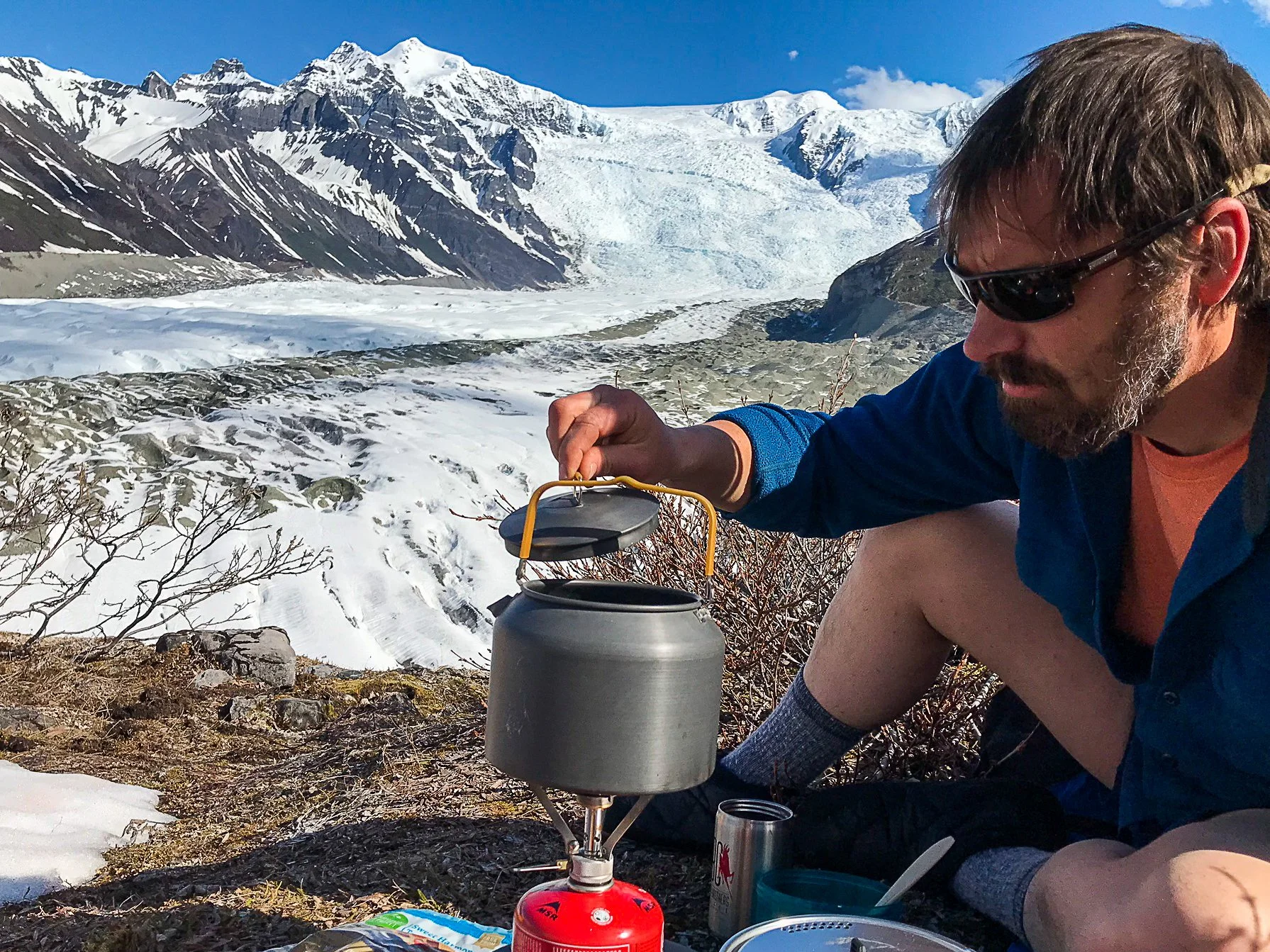
The Warbler's Answer
Yeah Write · History on Paper and in Person
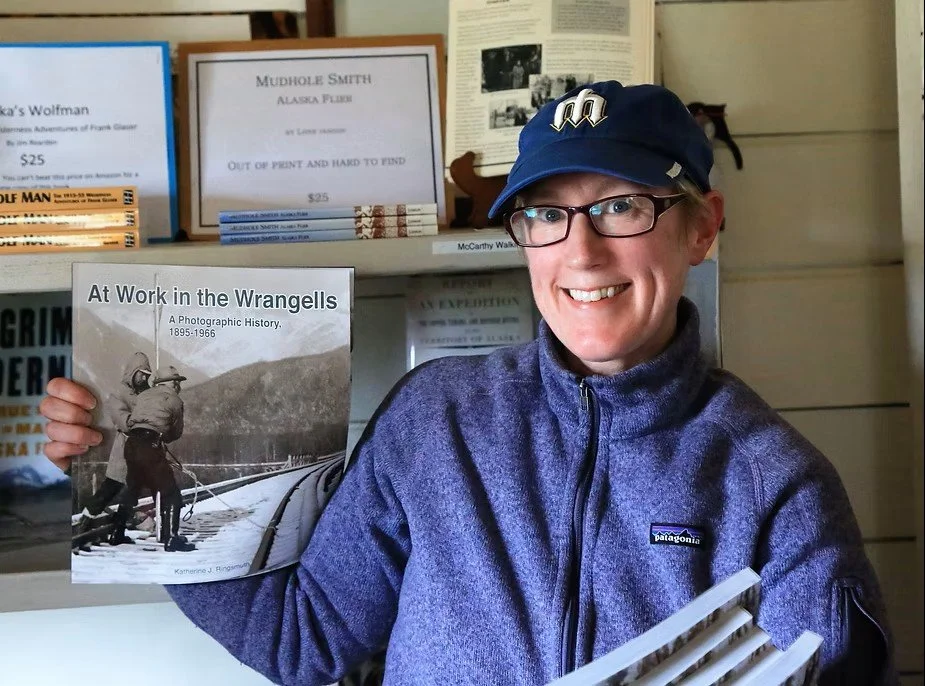
For years before Anchorage was founded, maps of Alaska showed McCarthy and Kennecott, but not Anchorage. While Anchorage eventually grew and grew into Alaska’s largest city, McCarthy’s size has ebbed and flowed. It hasn’t regained the size it had during the copper and gold mining era, but can still produce some impressive crowds, like the one that packed the charming, volunteer-run McCarthy-Kennicott Historical Museum for its grand opening this spring. The event featured Eagle River-based historian, professor, and author Dr. Katie Ringsmuth presenting her latest book, “At Work in the Wrangells: A Photographic History, 1895-1966”. Published by the National Park Service, it “aims to illustrate the interconnected work of humans and nature that together made history in Wrangell-St. Elias National Park and Preserve.”
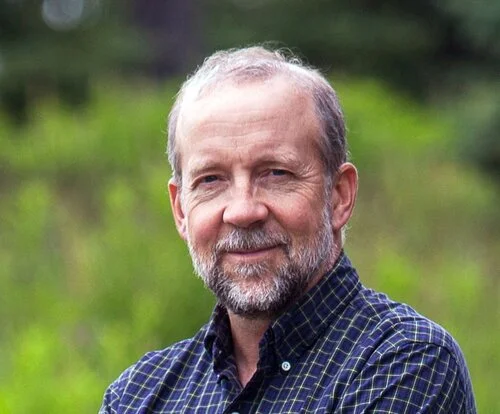
Interview: Tom Kizzia
“This was a book that started with a bulldozer in a national park. In that sense, the original newspaper stories naturally introduced some of those big themes you refer to, themes of wilderness and modern attitudes toward nature and the mythology of American pioneering. It was only after I interviewed Papa Pilgrim over the phone, and found his self-presentation to be weirdly fascinating, that I decided I should try to go meet him.”